

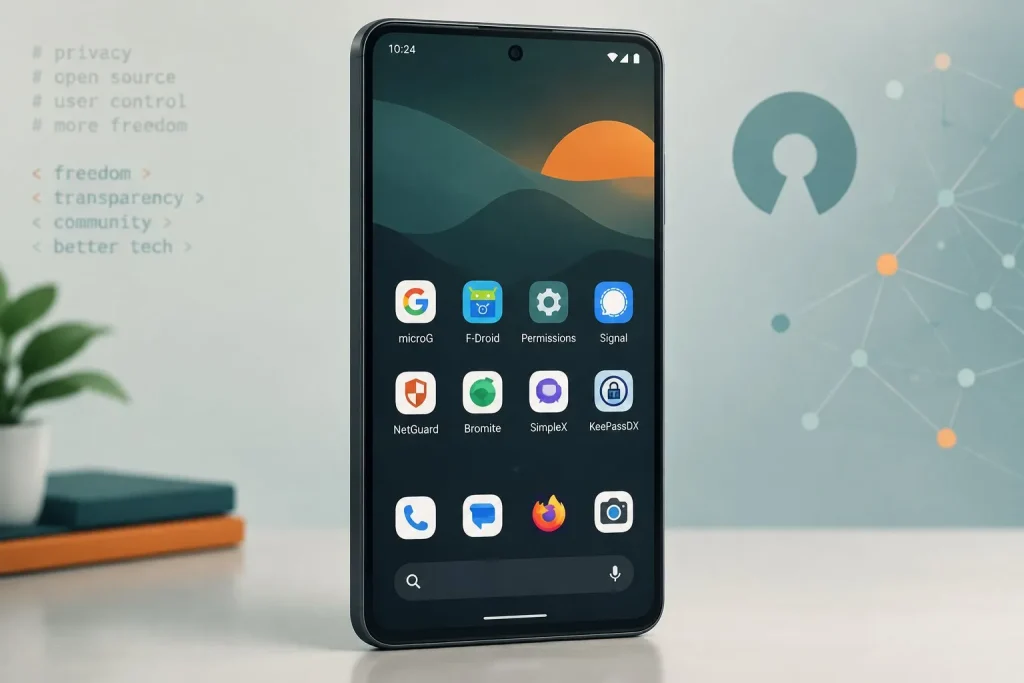
The De-Googling Experiment
set out on a mission to see if I could actually live without Google on my daily device. It started as a curiosity but quickly became a test of willpower and technical patience. Most people assume the OS is the biggest hurdle, but the real test is the ecosystem of daily tools we rely on.
Scrubbing a smartphone clean of all tracking services forces you to be ruthless with your app selection. While open-source alternatives and custom ROMs have matured significantly, they face a massive uphill battle against proprietary frameworks and deeply integrated APIs.
The Illusion of a Google-Free Experience
When you first install an open-source operating system like LineageOS or GrapheneOS without Google Play Services, the phone feels clean, lightning-fast, and reassuringly quiet. Telemetry pings drop to near zero, and battery life often improves dramatically during the first few days. However, the honeymoon phase ends the moment you try to restore your standard workflow.
Modern Android app development relies heavily on Google’s proprietary SDKs. It is not just about the Play Store for downloading applications; it is about the underlying plumbing that apps take for granted.
Major Roadblocks Encountered
During the multi-week experiment, several critical failure points emerged that made daily usability nearly impossible for an average user:
-
Push Notification Breakdowns: Without Google Firebase Cloud Messaging (FCM), background synchronization shatters for standard chat and delivery applications. Instead of receiving instant messages, many apps require manual polling or alternative handlers like microG, which introduces its own security compromises.
-
Banking and Financial Locks: Financial institutions implement rigid SafetyNet and Play Integrity checks. When these proprietary security apps detect a custom ROM or a missing Google Play framework, they frequently lock you out entirely, rendering mobile banking, contactless payments, and transit cards unusable.
-
The Proprietary Web Fallback: Forced to use web browsers as substitutes for missing native apps, performance dips and interface friction add up over time, slowing down routine tasks like checking maps or ordering food.
The Apps That Made the Cut
After filtering out everything dependent on proprietary hooks, the results were sobering. By the end of the first week, I was down to only two apps that managed to function without a single Google dependency. It was a stark reminder of how deeply embedded these services are in our modern digital lives.
De-Googling Android is entirely possible, but it requires a fundamental shift in how you interact with technology. You have to trade convenience, seamless notifications, and mainstream app compatibility for absolute data sovereignty. For most people, it remains an uphill battle—a fascinating technical hobby rather than a practical daily driver.
Related Resources
-
Looking to lock down your browsing experience as well? Check out how I found an ad blocker that handles intrusive elements seamlessly.
-
Interested in other workflow tools? Read our review of the Bravo browser sidebar and its built-in AI assistants.
Related Stories
AI-Generated Bug Reports Overwhelm Linux Kernel Maintainers
Automated LLM bug-finding tools are flooding Linux kernel security lists with false positives. Learn how maintainers are adjusting…

Global Police Dismantle AudiA6 Ransomware Crypto Launderer
International law enforcement agencies seize servers and millions in crypto belonging to AudiA6, a premier laundering syndicate for…
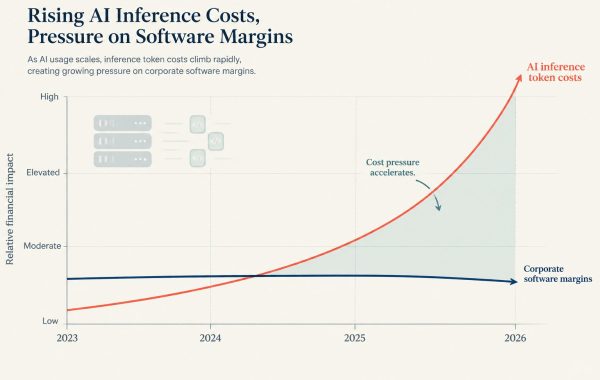
Rising AI Agent Token Costs: The Enterprise Margin Challenge
Goldman Sachs warns autonomous AI agent workflows consume 24x more tokens than traditional prompts. Discover how rising inference…