
Understanding Intels Price Changes
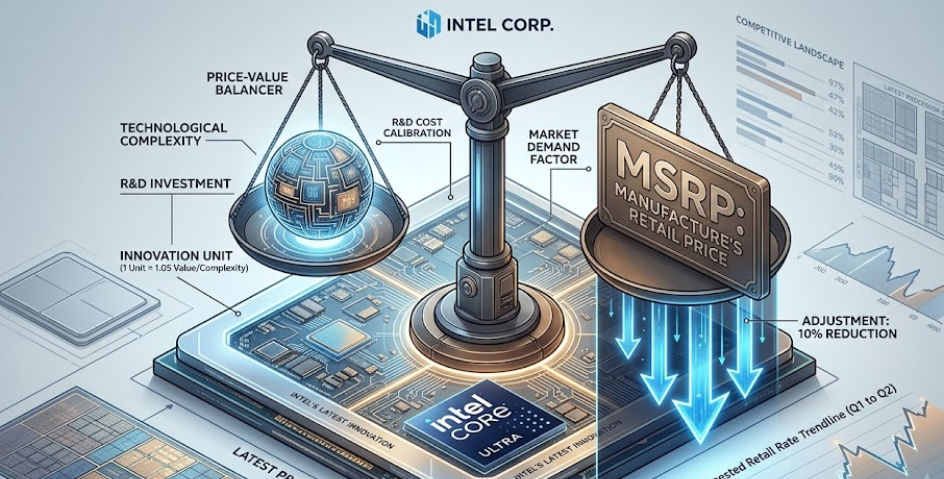
Intel has recently made some significant price changes for its desktop processors. This change affects people who closely monitor hardware costs like enthusiasts and system builders. The recommended prices for Intels flagship processors have gone up. For example the Core Ultra 270K Plus and 250K Plus models now cost more than their predecessors did at launch. This move by Intel suggests that it’s re-evaluating how it prices its products in a competitive market.
For those keeping an eye on hardware availability staying updated on market trends is crucial. Reports suggest that these price changes can result in cost increases of up to fifty dollars for units. The tech industry is dealing with challenges related to manufacturing complexity and supply chain sustainability, which leads to adjustments like these. As a result people looking to upgrade their computers need to consider these changes when planning their budgets.
New Price Points for Intel Processors
The main focus here is on the pricing of the 270K Plus and 250K Plus series. According to Intels product pages buyers are now seeing higher suggested prices. The premium 270K Plus model is listed at up to 349 dollars while the entry-level 250K Plus model costs up to 229 dollars. This pricing strategy allows Intel to offer options that cater to various performance needs while maintaining a clear product hierarchy.
Compared to historical data these prices show Intels effort to maintain its margins during a period of economic pressure. Although price increases are not welcomed by tech enthusiasts they reflect the advancements in technology and the rising costs of making semiconductors. For details on how these processors compare to older models you may want to check out our latest analysis on current desktop chip performance metrics to see if they align with your needs.
Impact on System Builders
Intels decision to raise prices has broader implications for people who build their own PCs. When building a computer for gaming, video editing or data analysis every dollar spent on a processor affects the budget for components like graphics cards and memory. By increasing the prices of these processors builders may need to rethink their component choices to stay within their budget.
Industry analysts often discuss the balance between research and development expenses and what consumers are willing to pay. If the performance gains in these processors are significant some users might see the extra cost as a long-term investment. On the hand if the improvements are minor people might opt for mid-range alternatives that offer better value for money. Buyers should consider these factors before making a purchase in the current economy.
Future Outlook and Competition
Intel is not alone in the market and it faces competition from companies like AMD. How the market responds to these price changes will likely influence Intels product launches. If demand remains strong despite the prices it shows that consumers prioritize the latest technology and features over immediate cost savings. However if the market reacts negatively Intel might offer bundles or discounts to attract budget-conscious buyers.
It’s essential for manufacturers to be transparent about these updates to maintain consumer trust. By updating its product pages promptly Intel allows buyers to make informed decisions before visiting hardware suppliers. If you’re in the market for a system it’s wise to stay updated on industry news and technical reviews from experts to ensure you’re getting the best value for your needs. The fast pace of innovation means staying flexible is key to ensuring your hardware remains relevant and efficient.
Final Thoughts
In conclusion while a fifty-dollar increase might seem small in the context of a high-end desktop build it highlights the volatility in the tech market. Whether these specific Intel chips are the choice, for your workflow depends on your performance needs and total build budget. As always the tech sector is dynamic and staying informed about these price changes helps you navigate the changing landscape with confidence.
Written by
FutureTechSpot Editorial Team
Staff writer at Future Tech Spot. Covering the frontier of technology, artificial intelligence, and the digital future.
Related Stories
More from Tech

Intel’s Strategic Fab Roadmap: Key Locations and Deadlines
Explore Intel's fab roadmap, focusing on Arizona, Ohio, Ireland, and the critical deadlines shaping the 14A process node.

FCC Extends Software Updates for Banned Foreign Routers Until 2029
The FCC has announced that existing foreign routers can receive software updates until 2029, easing restrictions on banned…
Fortinet Warns of Critical RCE Flaws in FortiSandbox and FortiAuthenticator
Fortinet has issued warnings about critical remote code execution (RCE) vulnerabilities in FortiSandbox and FortiAuthenticator. Learn about the…