

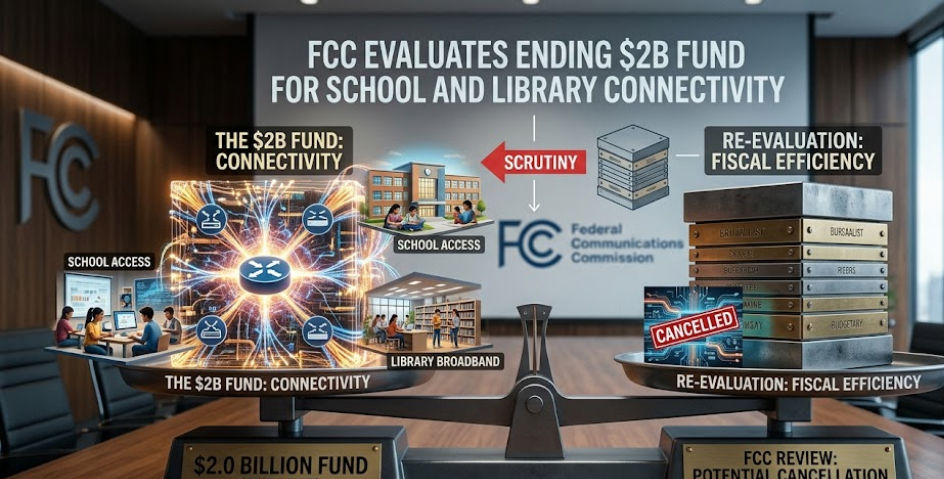
The Federal Communications Commission or FCC is thinking about making a decision that could change how fair education is in the United States. There is a program that gives about $2 billion to help schools and libraries get internet.. Now that program might get stopped. This has made a lot of educators people who want access to the internet and community leaders very worried. They need this money to help students and people in their communities get connected to the internet.
The Crisis Facing Educational Connectivity
For a time the government has been trying to help more people get access to the internet. They know that having internet is not just nice to have but is really important for doing well in school and getting ahead in life. They have been giving money to schools and libraries to help them get internet. This has helped a lot of schools and libraries get computers and internet.
But now if the FCC stops giving that $2 billion it could hurt schools and libraries in rural areas and cities that do not have a lot of money. These schools and libraries have small budgets. Without that money they would have to choose between getting internet or other important things for school. This could make it so that some schools and libraries have computers and slow internet while others have modern ones.
Understanding the Potential Impact on Public Institutions
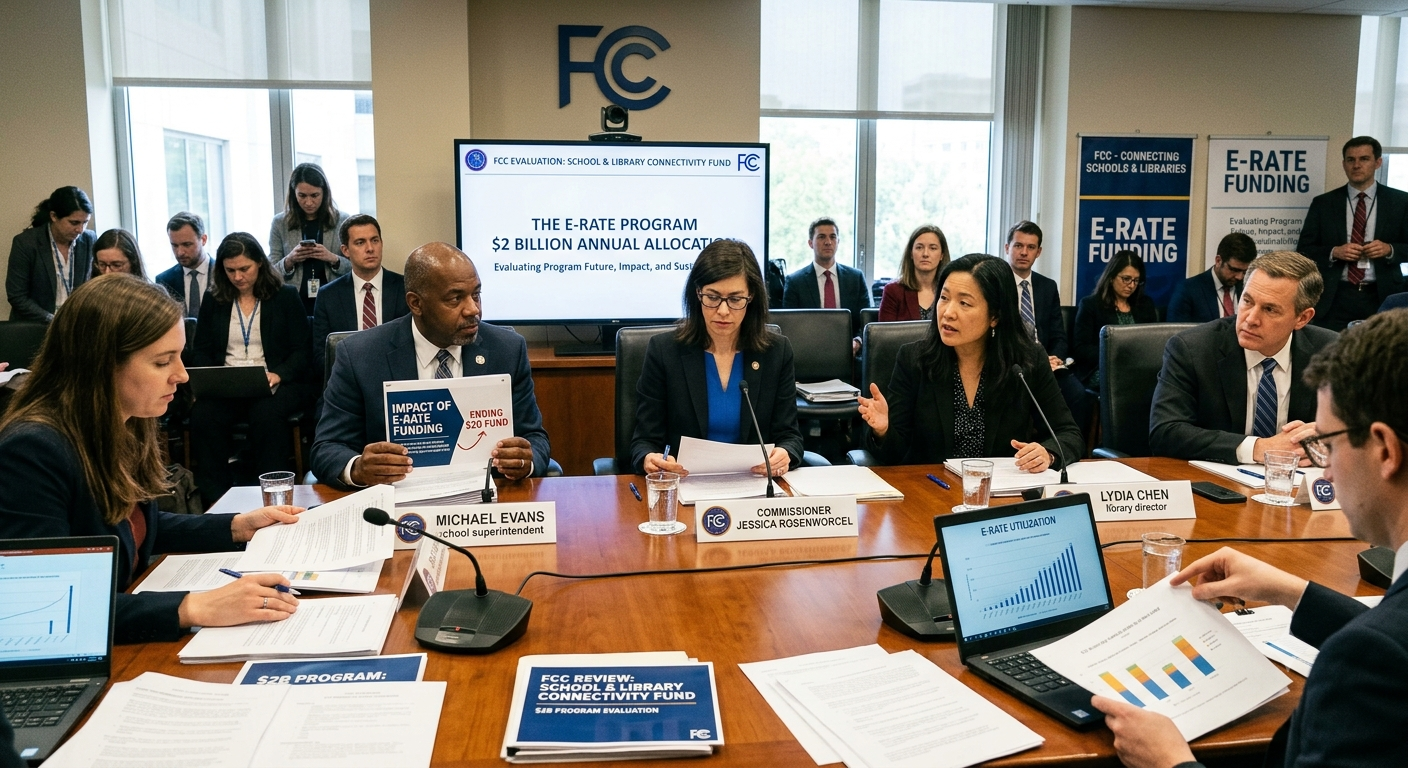
Libraries are very important for people who do not have internet at home. They let people use the internet for free. Many people use libraries to look for jobs do schoolwork or use government services. If the FCC stops the program libraries might not be able to keep up with the demand for internet. This could hurt people who rely on libraries to get online.
This could also hurt the countrys ability to prepare students for jobs. As more and more things are done online students need to have access to the internet to learn the skills they need. If students do not have internet they might not be able to get the skills they need to do well in the future. This could make it harder for the country to compete in the world.
Arguments for Administrative Policy Shifts
Some people think that the government should stop giving money to this program. They think that other programs can help instead or that local governments should pay for it.. Others think that this program is still important. They think that it helps a lot of schools and libraries get better internet.
They also think that it is hard for local governments to help on their own. They do not have the money or expertise to help much as the federal government. So they think that the federal government should keep helping.
The Future of Digital Inclusion Initiatives
As the FCC thinks about what to do some people are thinking about ways to get the money. Some ideas are to work with companies or have states help pay for it.. This could be tricky. It might mean that some areas have internet while others do not.
New technologies, like satellite internet might also change things.. These technologies still need help from programs like the one the FCC is thinking about stopping. The question is how to make sure that everyone has internet no matter where they live.
People are now urging the public to talk to their representatives. They want to make sure that the FCC hears from everyone. The outcome of this decision will show what the government thinks about access to the internet.
In the end stopping this $2 billion program could change a lot. It could affect how fair education is, in the United States. It will show if the government thinks that good internet is a right or not.
Related Stories
Creating a Git-Tracked Book Pipeline Without Adobe or Microsoft
Discover how to build a Git-tracked book production pipeline, bypassing traditional tools like Adobe and Microsoft for efficiency…
FCC Investigates Daytime Talk Show Classification Status
The FCC is asking the public if ABC's The View should be legally considered a news show, a…

Exploring CursorBench 3.1: A Deep Dive into Its Features
Discover the latest updates in CursorBench 3.1, its real-world applications, and how it enhances performance and usability.