


The music production world is always changing. Software developers and artists want to work with their digital audio workstations and other hardware or software. For people who use Ableton Live, the Ableton Extensions SDK is a deal. It lets them make their workflow more customized and controlled. This kit helps creators make Ableton Live do things than it could before. They can make tools that work really well with the software.
What the SDK Can Do
The Ableton Extensions SDK is a way for developers to connect Ableton Live with other systems. It is better than ways of controlling the software with scripts. The SDK lets data move back and forth between the software and other applications. This makes it easier to build custom interfaces for synthesizers or special hardware. It is like a bridge between your ideas and the software.
The good thing about this is that the control interface is separate from the software. Developers can make tools that feel like they are part of the software. This makes the software more stable and good for performances. It also helps with data that might be too much for standard MIDI protocols. This makes the software more responsive and easier to use.
Making Workflows Better for Pro Audio People
Time is very important for designers and studio engineers. The Ableton Extensions SDK helps them tasks. Developers can make custom extensions that routing and sample management. They can also integrate special studio hardware into Ableton Live. This makes the software work better for the studio, not the way around.
Using these custom extensions can save a lot of time. Imagine a studio that can automatically move track metadata from Ableton Live to their project management system. This kind of connection makes the production environment better and more efficient. It helps studios deliver high-quality projects faster.
Practical Uses and Creative Integration
The real value of the SDK is in what it can do. Developers are using it to connect programming languages with the music technology landscape. They can make interfaces that give visual feedback or control many tracks at once. They can even use machine learning models to help with arrangement and sound selection.
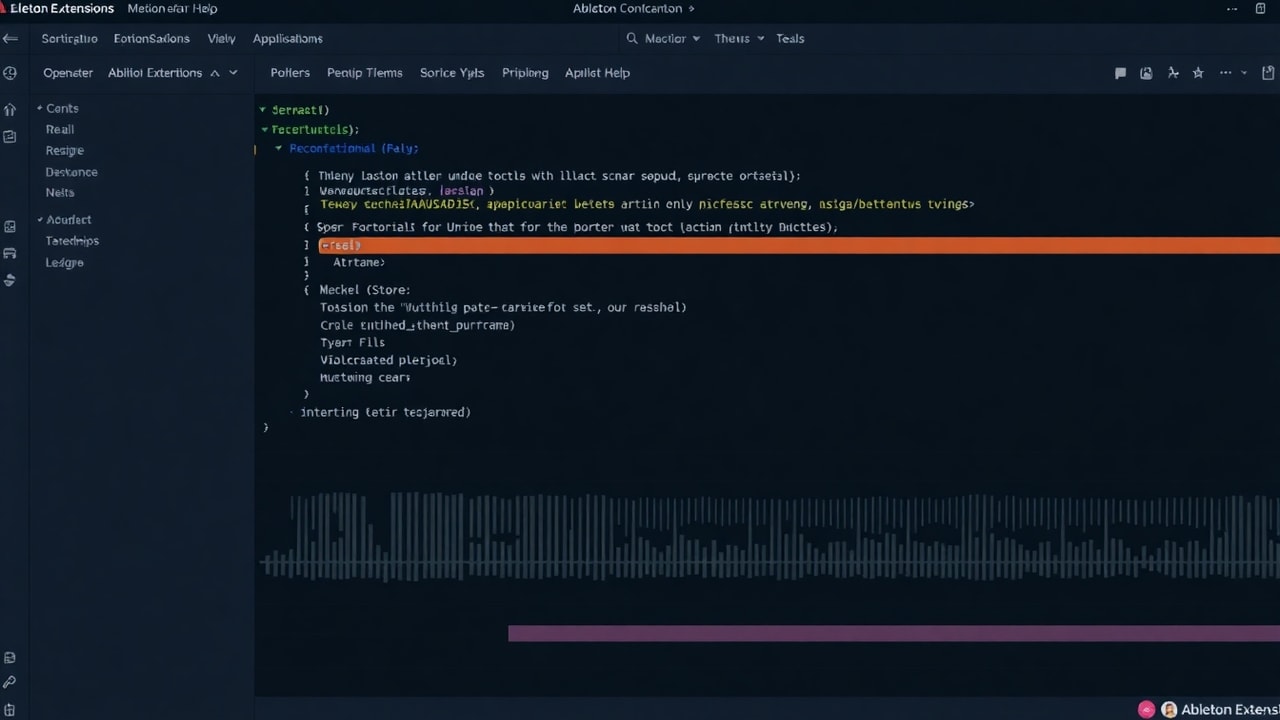
One common use is making controller drivers. These drivers work better than hardware presets. Because the SDK talks directly to the software it can handle parameters accurately and quickly. This means that when a performer adjusts a knob the software responds away. This makes the environment more intuitive and better for performances.
The Future of DAW Connections
The future of music production software is going to be more open and customizable. As music production gets more complex people will need software that can be modified and extended. The Ableton Extensions SDK is at the forefront of this change. It lets developers, hardware designers and musicians work together in time. It encourages people to contribute and make extensions that solve specific problems.
In the future we will see third-party tools that use this architecture. As more developers learn about the SDK it will be easier to make musical tools. This will lead to innovative plugins and controllers. It will benefit not the developers but also the users of the platform. By making the software more flexible and extensible the developers are making sure that it stays the best in the industry.
Whether you are a developer or a power user understanding the SDK is important. The future of sound is not about making audio but also about integrating the systems that make it. By learning about these tools you can define the generation of music production workflows. The Ableton Extensions SDK is a part of this future. It helps the Ableton Live software work better with systems. This makes it a powerful tool, for music production.
Related Stories
The Resurgence of Anonymous Audio: Connecting Without Labels
Discover how anonymous voice platforms are redefining human interaction by removing social labels and fostering raw, authentic conversations…

Is Google’s Advanced AI Diminishing Your Smart Speaker’s Utility?
Google has crafted exceptional smart speaker hardware, but current AI integration feels premature and often disrupts the seamless…
Building a Virtual Museum for Every Operating System Ever Made
Explore how a massive virtual museum of historical operating systems is preserving digital history and informing future technological…