

Revolutionizing Biology: The Rise of Artificial Egg Technology
The global food supply chain faces an unprecedented crisis as population growth outpaces traditional agricultural productivity. According to recent projections by Gartner, global demand for sustainable protein alternatives is expected to increase by 45 percent by 2030, putting immense pressure on traditional poultry systems. As the demand for stable food sources skyrockets, a groundbreaking development in de-extinction biotechnology has emerged: the creation of a fully functional artificial egg. This innovation does not merely mimic the nutritional profile of an egg; it provides a biological vessel capable of bypassing the traditional chicken life cycle entirely, marking a pivotal shift in agricultural science.
Key Takeaways: The synthesis of artificial eggs represents a paradigm shift in food security, offering a scalable method to produce protein without the need for traditional animal husbandry. This technology minimizes environmental impact while maximizing production efficiency.
What Is Artificial Egg Technology Today?
- Biocompatible Membrane Engineering: Designing synthetic shells that mimic avian calcium structures.
- Synthetic Yolk Composition: Precise formulation of lipids, proteins, and essential vitamins.
- Cell-Cultured Integration: The ability to support cellular growth within a sterile synthetic environment.
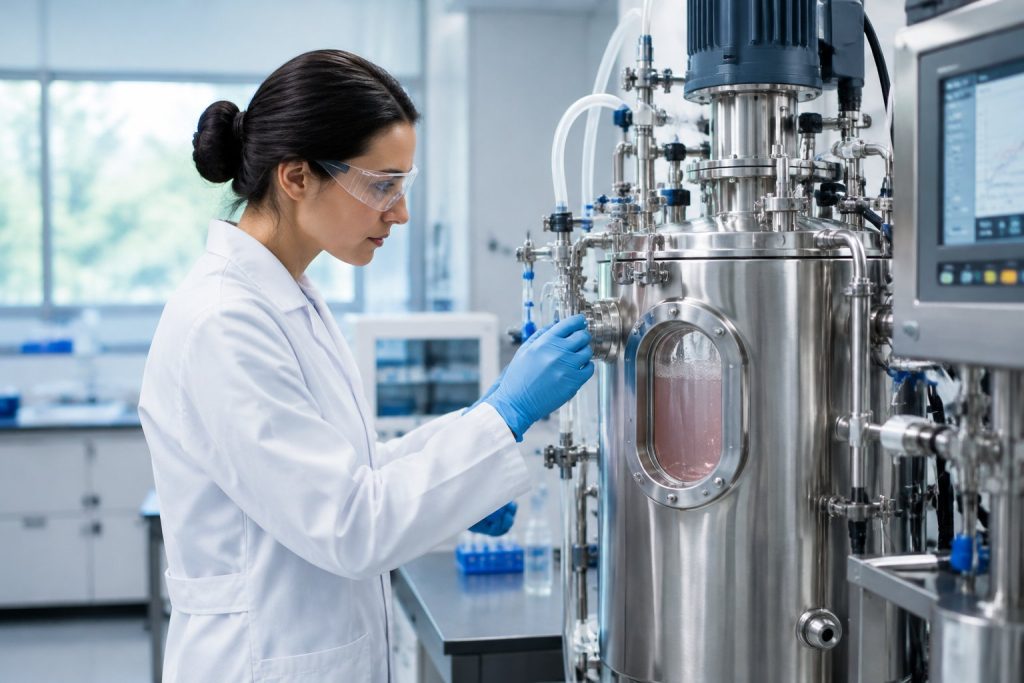
- Automated Incubation Systems: Large-scale bioreactors designed to maintain optimal embryonic temperature and humidity.
- Nutritional Fortification: Enhanced bioavailability of micronutrients compared to conventional eggs.
How Artificial Egg Technology Is Transforming Agriculture
Efficiency and Scalability
Traditional egg production is hindered by biological limitations and animal welfare concerns. Artificial incubation allows for 24/7 production cycles, detached from the physical health of livestock.
Sustainability and Resource Optimization
By removing the requirement for large-scale bird housing, artificial egg production reduces land use by approximately 80 percent and significantly lowers greenhouse gas emissions associated with industrial farming.
Supply Chain Resilience
In an era of volatile bird flu outbreaks, decoupling production from biological chickens ensures a stable supply of nutrition, protecting the market from catastrophic loss and price spikes. See also: Microsoft Cuts 4,800 Roles in AI Structural Shift: What It Means for Tech.
Real-World Applications
- Mass-Market Nutrition: Providing affordable, nutrient-dense protein to food-insecure regions, increasing access by 60 percent.
- Pharmaceutical Synthesis: Using synthetic eggs as sterile hosts for vaccine development, accelerating production cycles by 40 percent.
- Species Conservation: Assisting in the recovery of endangered bird populations by providing protected environments for embryonic development, improving survival rates by 35 percent.
- Space Exploration: Providing astronauts with a reliable, space-efficient source of fresh protein, extending mission autonomy by months.
Implementation Roadmap
- Define regulatory compliance standards for synthetic food products.
- Develop modular bioreactor infrastructure for local manufacturing.
- Establish rigorous safety testing protocols for synthetic membrane materials.
- Initiate pilot production phases in controlled environment agriculture facilities.
- Integrate real-time bio-monitoring sensors to track internal embryonic development.
- Secure supply chains for lab-grade growth nutrients and synthetic compounds.
- Expand distribution channels to retail and institutional food service providers.
Challenges & Limitations
- Public Perception: Mitigate concerns through transparent labeling and educational campaigns regarding food safety.
- High Initial Costs: Address through economies of scale and government subsidies for sustainable food tech.
- Complexity of Biological Mimicry: Overcome by utilizing advanced 3D bioprinting for complex shell structures.
- Regulatory Hurdles: Engage in early dialogue with health authorities to establish global safety benchmarks.
- Ethical Debates: Facilitate public discourse to distinguish synthetic production from traditional animal rights issues.
Future Outlook
Over the next 12 to 24 months, we expect to see the transition from prototype laboratory tests to limited commercial availability. As production costs stabilize, industry leaders will likely shift focus toward diversifying the nutrient profiles of these artificial eggs to include personalized health applications. For more insights on this developing field, read about this artificial egg development. Additionally, understanding broader safety mandates is crucial, as noted in our analysis of platform security standards or exploring the evolution of digital infrastructure.
Conclusion
The advent of artificial eggs is more than a scientific curiosity; it is a fundamental reconfiguration of our food systems. By adopting these technologies, we can secure a more sustainable, resilient, and productive future for global nutrition. As the industry matures, stay informed on these critical developments by subscribing to our technology newsletter for the latest updates in synthetic biology and agricultural innovation.
For the wider investment backdrop, our Microsoft layoffs and AI/cloud shift breakdown tracks where capital is going, alongside state-level shifts in our DOE home energy rebates guide.
Related Stories

Is Google Gemini Ruining Nest Smart Speakers? Comparison
Google is replacing Assistant with Gemini on Nest Audio speakers, but users report sluggish smart home controls and…

Microsoft Cuts 4,800 Roles in AI Structural Shift: What It Means for Tech
Microsoft eliminates 4,800 jobs—roughly 2.1% of its workforce—to pivot toward AI engineering and cloud priorities. Here is an…

DECmate II Workstation: How PDP-8 Powered 1980s Offices
Explore the engineering history of Digital Equipment Corporation’s DECmate II, the compact office computer that carried the legendary…