
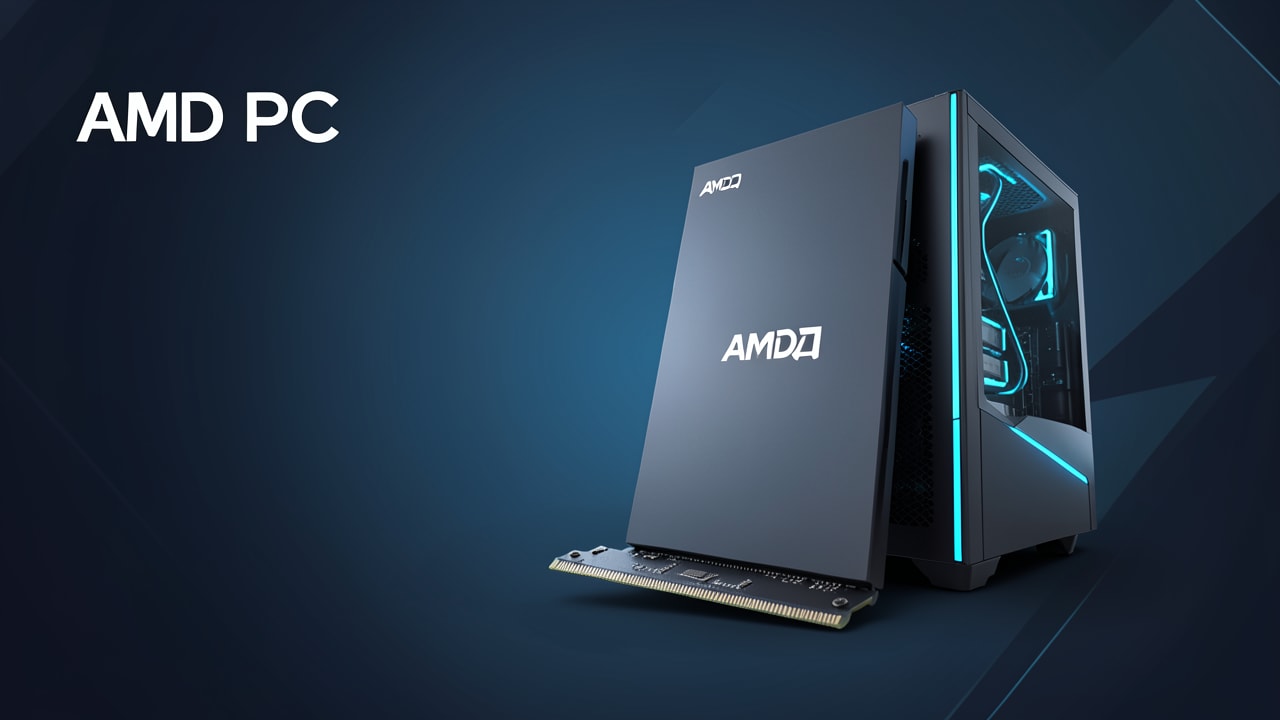
A Hidden Time Capsule from Tech History
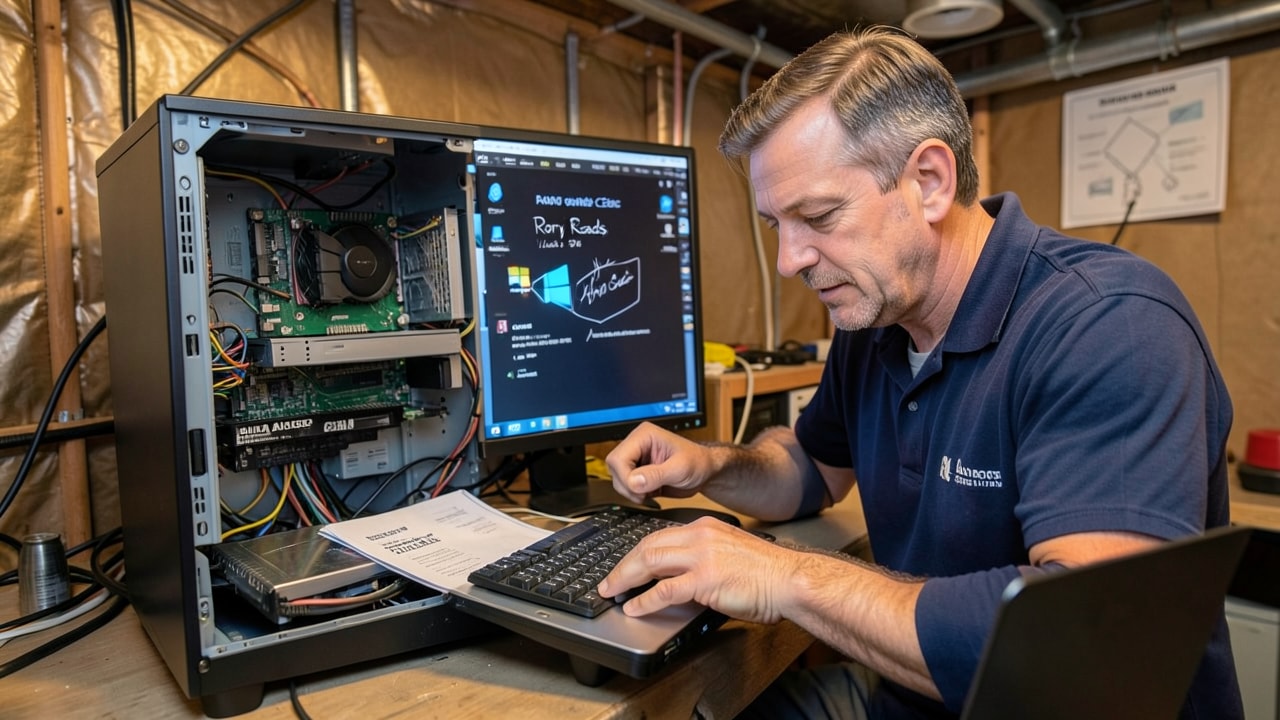
Sometimes you stumble upon something cool when you least expect it. A local heating and cooling technician was doing a maintenance visit and found something amazing in a clients basement. The technician found a desktop computer that looked like it had not been touched in years. This computer turned out to be a piece of tech history that belonged to Rory Read, the CEO of AMD. This is a reminder of how fast technology moves and how things that were once super advanced can become old news.
Uncovering the Bulldozer Legacy
When the technician took a closer look at the computer they saw that it had the kind of hardware that was popular back in 2014. This was known as the Bulldozer generation and the processor inside was a part of AMDs plans back then. Even though this processor did not do well compared to others at the time finding a brand one signed by Lisa Su, the current CEO of AMD makes it really special. It shows how AMD was working towards making products like the Zen architecture, which would later become really popular. For people who love tech finding this computer is like finding a unopened video game console that was popular a long time ago.
The Significance of the Signature
The most interesting thing about this find is the signature of Lisa Su on the computer. She is the leader who helped turn AMD. Her signature on a computer from the time of her predecessor, Rory Read shows how two different eras of the companys strategy came together. This computer is like a bridge between the companys struggles and its future successes. It is rare to find a touch like this on a mass-produced desktop computer, which makes it really valuable to tech collectors. It shows how important leadership is in shaping the direction of technology.
Software and Operating System Nostalgia
Along with the hardware the technician also found a brand sealed copy of the Windows 8.1 operating system. Then Microsoft was trying to figure out the Windows 8 interface, which got mixed reactions from users. Finding the original installation disc for this operating system brings back memories of when Microsoft was trying to make a touch-friendly interface and how they later went back to a more traditional desktop experience. People who love tech often look back at this version of Windows with a mix of curiosity and criticism appreciating the phase that came before the more stable Windows 10 releases. This software is a match for the hardware giving a complete picture of what computing was like in 2014.
Preserving Tech Relics in the Digital Age
For collectors the big question is how to preserve something like this. When hardware sits around for a decade it can start to deteriorate, with parts like capacitors and thermal paste failing and data on discs degrading. If someone wanted to turn on this computer they would need to check the power supply and motherboard for signs of aging. Many collectors choose to leave these machines sealed and untouched valuing them as a monument to how technology has come, rather than trying to use them as a working computer.
Modern Lessons from Vintage Hardware
Looking at this discovery it is clear how much the tech world has changed. In 2014 processors like the Bulldozer were the focus of optimization efforts. Today the focus is on making software that can handle intelligence and use less power. Developers often look back at hardware to see how far we have come in terms of making software run more efficiently. Even simple scripts have changed a lot in terms of how they use the computers resources.
# Simple Python script for checking basic CPU info
import platform
import psutil

def display_system_info():
    print(f"Processor: {platform.processor()}")
    print(f"System: {platform.system()} {platform.release()}")
    print(f"Memory: {psutil.virtual_memory().total / (1024**3):.2f} GB")

display_system_info()
This discovery is a reminder that even though our gadgets change, the spirit of exploring and pushing the boundaries of technology remains the same. Whether it is an HVAC technician finding a computer or an engineer working on artificial intelligence the story of innovation is written in the technology we create. This signed desktop computer is more than a piece of metal and silicon. It is a testament to a specific moment in time when history was being made in Silicon Valley and it is, about the AMD computer that belonged to Rory Read.
Written by
FutureTechSpot Editorial Team
Staff writer at Future Tech Spot. Covering the frontier of technology, artificial intelligence, and the digital future.
Related Stories
More from Apps & Software
Apple Updates Beats Buds to Address Critical Privacy Vulnerability
Apple has patched a critical Bluetooth security vulnerability in Beats Studio Buds that could have allowed unauthorized users…
High-Performance Browser-Based Multitrack Audio Processing
Explore Audiomass, a powerful, open-source multitrack audio editor that runs directly in your browser, simplifying your creative workflow…
I Tried De-Googling My Phone Just Two Apps Survived
I figured it was time. Time to really see if a life without Google on my phone was…